Category: dialogue

“What do you do?” 2026
It’s the middle of April 2026. Time for an update. Why? Because I’m not doing what I used to do back in February 2020, when I titled that post, “What is it that you do exactly?” I still do a bunch of things, some paid & some unpaid. Some have continued & some have changed.…

Best resource for Asian American elderly care
posted on
How do we care for Asian American elders? This is a personal question for me and my wife, as my in-laws are into their 80s and we’ve had to struggle through more issues and challenges beyond our imagination. And we’re finding that our peers and many others face similar challenges elderly seniors who are Asian…

3 options for nonprofit cultural change
posted on
Recent conversations spurred on this short take on how to change a nonprofit’s organization’s culture, whether someone should stick around to change over time, or to start something new from scratch. Oh, let’s say the topic was diversity and they’d like to see the nonprofit organization become a safe place that values diverse people of…

Do you know who is the ultimate prompt engineer?
We are fast entering this age of artificial intelligence, with big data feeding into machine learning, and the aggregated data becoming useful for collective computing to anticipate the human tendencies and pattern recognition of common answers to frequently asked questions. It dawned upon me during a recent conversation, that we are moving from flat 2-dimensional…

Netflix’s Beef with Church Life and Mental Health
posted on
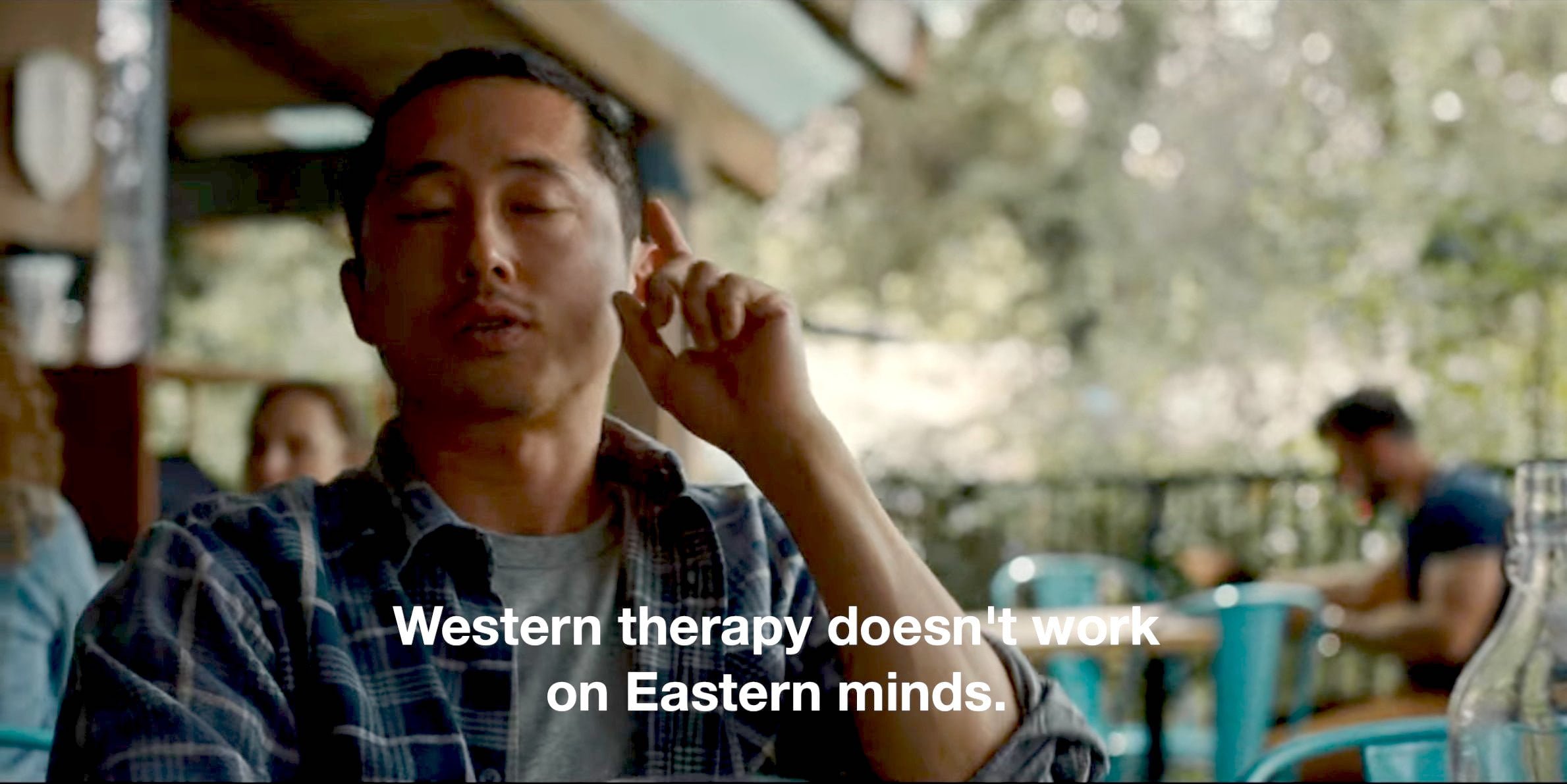
The streaming TV series on Netflix called BEEF, starring a prominent cast of Asian Americans, headlined by Ali Wong and Steve Yuen, has the pop culture zeitgeist abuzz with chatter on social media and mainstream outlets like CNN, NBC News, Mashable, Collider, Slate, Looper, Christianity Today, and RELEVANT Magazine. Note first, a content warning for…

when Joe Rogan talk with Christian guests
posted on
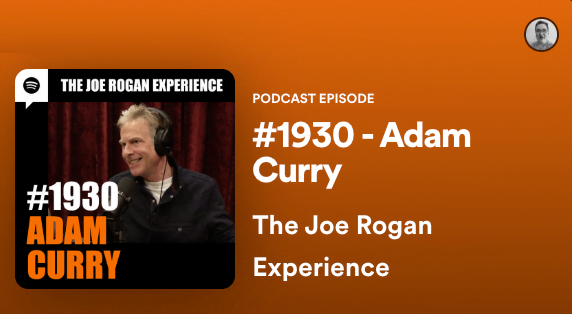
The Joe Rogan Experience tops the charts in the world of podcasting, while producing 3-hour long podcasts, which is plain confounding, because most podcast episodes average around 30 minutes in duration. And to pull off that kind of popularity, he’s got something to say—because he’s both entertaining, intelligent, and has interesting guests. I do find…

My moment to rethink leadership
With my personal websites crashing this past weekend, because my shared hosting service lost all my data, I’ve started to rethink why I do what I do online, with much of it being given away freely for going on 20 years. And, it so happens I am going to a church conference called Rethink Leadership…

Wisdom for Life Stages, Seasons, and Decades that Many People Go Through
Want to make a difference in the world? How can people find their unique and best contribution? There’s wisdom in undertsanding and knowing the seasons of life that are marked by the decades of our chronological age. I first heard these words of wisdom from Stan Endicott (co-author of Improv Leadership and co-founder of Slingshot…

background check on a church’s reputation
I think it’s fair to say that good Christian ministries have their critics, and a few even run into legal action in the mix, which I’ll leave nameless. I wouldn’t want to get a “cease and desist” on my blog, even though in one sense it’s a blogger’s badge of honor. Nothing like controversy to…

Improve organizational productivity by knowing the pains of the minority experience
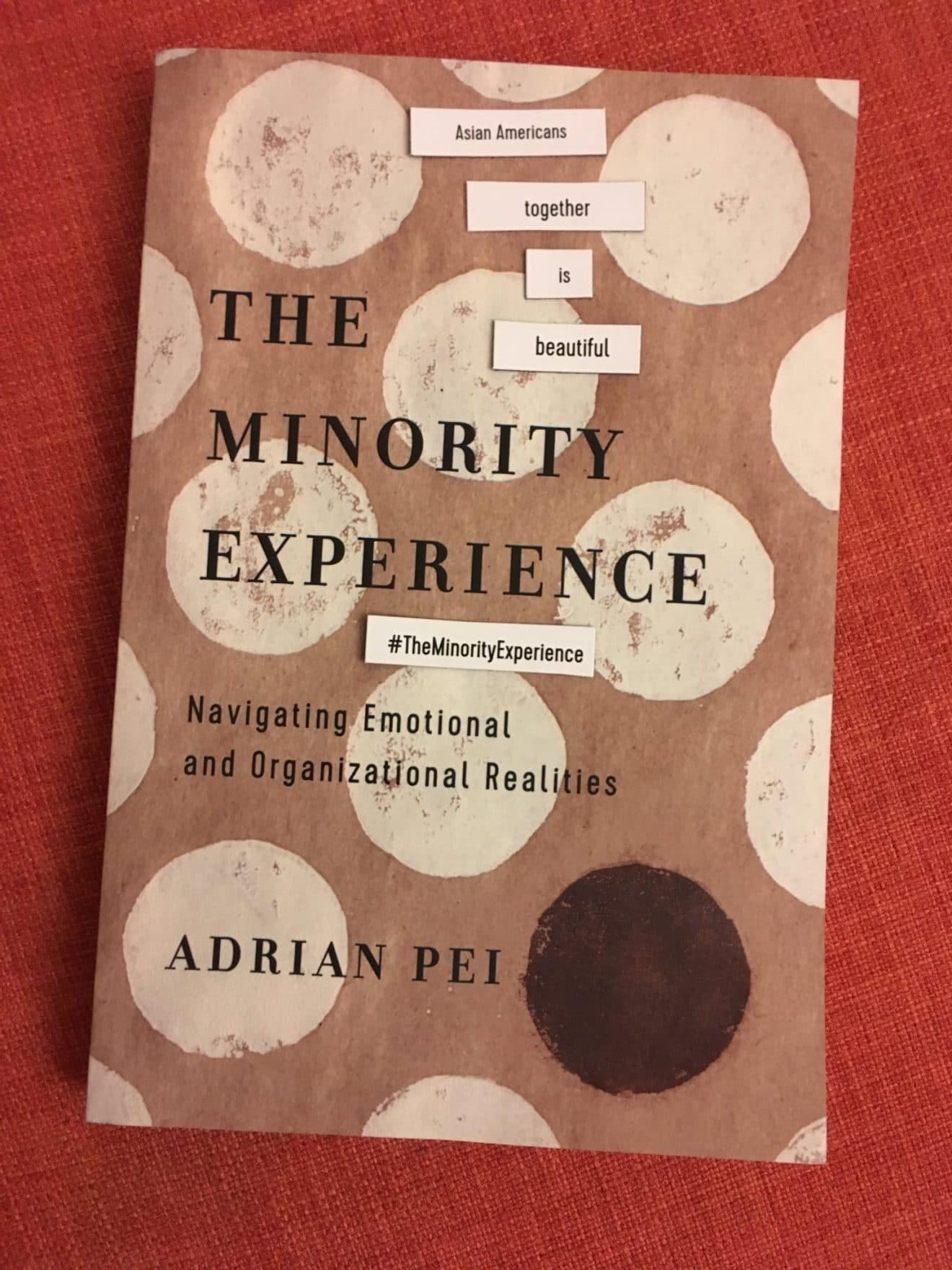
Adrian Pei recently authored a book and InterVarsity Press published it. The title is “The Minority Experience: Navigating Emotional and Organizational Realities” — watch this video to hear Adrian Pei tell about bringing his organizational development experiences together with his researching of American history to write the chapters of this poignant book. Order a copy…

The seduction of celebrity power
posted on
@ dialogueAndy Crouch commentary on celebrity power, allegations, and institution-building—insightfully and succinctly written on a Twitter thread of tweets. Posted with permission.